 贊助我們
獲取下載鏈接
標籤
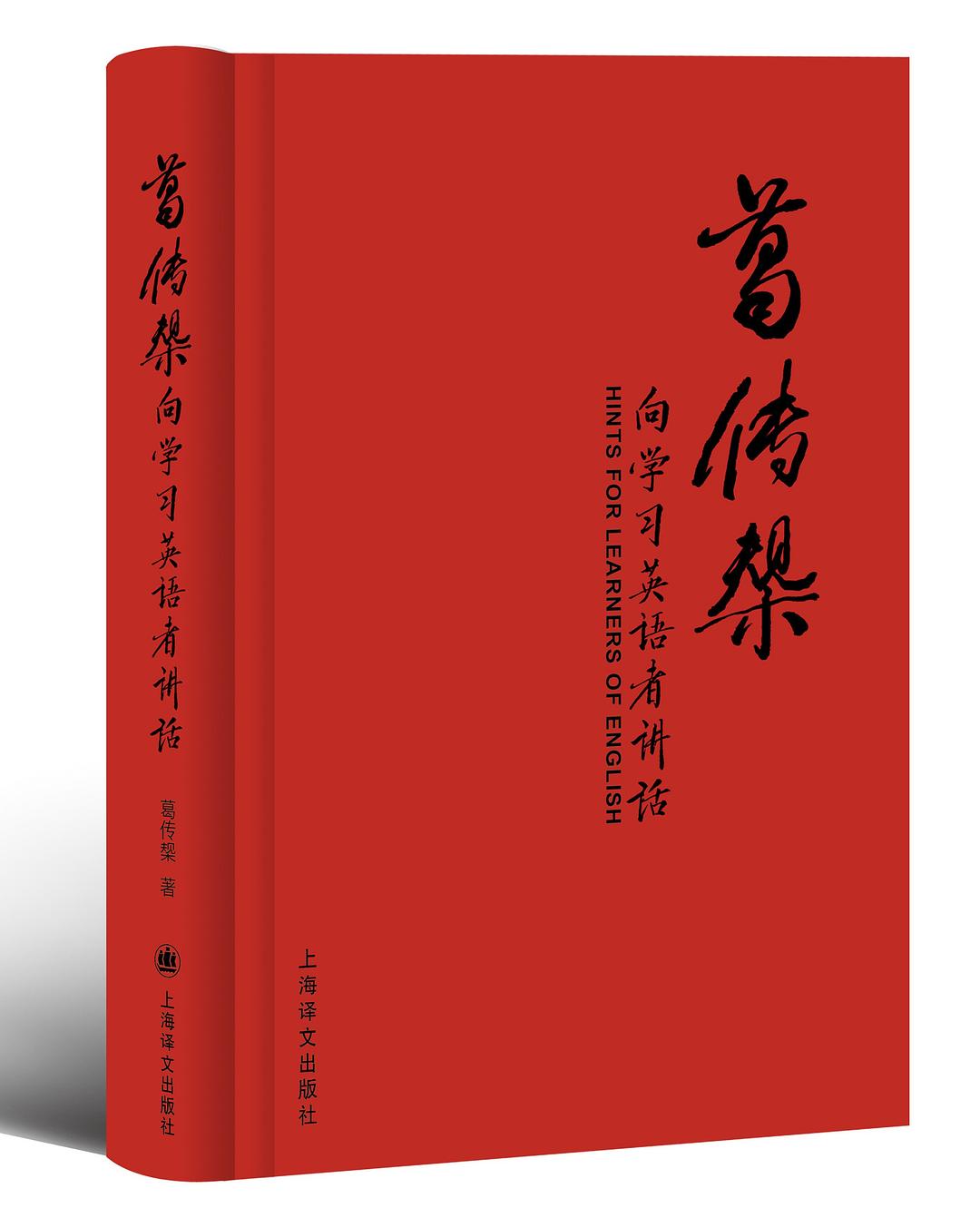
《葛傳槼向學習英語者講話》勘誤表 P8 倒數第二行“I have to mention this because…that while what is written about things… is not practical.”應為“I have to mention this because…that what is written about things Chinese is practical, while what is written …is not practical.” P13第三段第二行“an exect science”應為“an exact science” P26 最後一段第一句“You must not think,…are always incompetibles.”應為“You must not think,…are always incompatible.” P33 第一段倒數第三行“Chinese learner of the language is bed enough…”應為“Chinese learner of the language is bad enough…” P34 第二段最後一行“so the speak”應為“so to speak” 最後一段倒數第二行“Englishman or American one man has…”應為“Englishman or American one has…” P37 第一行“Such common words and phrases can by very easily…”應為“Such common words and phrases can be very easily…” P40 NOTES8 “slipshod 精心的;不精細的”應為“不精心的;不精細的” P51第二段第一行“And the result will be till worse…”應為“And the result will be still worse…” 這本選集是從葛傳槼先生的三本選集《葛傳槼英文集(Man and Student)》、《英文芻言(A Word to the Wise)》和《英文作文教本(A Textbook of English Composition)》中選出論述學習英語的三十七篇文章編成的。每篇揭 示一個或兩個問題,大都是英語語法書和英語修辭學書所不曾講到的。內容談到什麼讀物是初學者需要讀的和什麼是不宜讀的;怎樣才能讀得精細;說、讀和寫的關係;以及拘泥語法條條,一概類推所造成的錯誤等問題。
Contents
1. What to Read
2. Reading Aloud
3. Can You Read Englishmen’s English?
4. What kind of English?
5. The Question of Background
6. Books on English and Books in English
7. An Easy Sentence to Study
8. What Does “Would of Come” Mean?
9. “More Presently”
10. Double Negatives in Current English
11. About the Study of Grammar
12. Knowing Just Enough Grammar to Go Wrong
13. The Language Is the Main Thing
14. Logic and Usage
15. Something Unnatural
16. A Good Knowledge of Bad English
17. Reading Dictionaries
18. Make Your Own Dictionary
19. Make Another Dictionary of Your Own
20. More about What to Read
21. Reading to Learn the Art of Expression
22. Learning English Conversation by Imitaion
23. Imitation, Good and Bad
24. Tongue and Pen
25. Simply Didn’t Know
26. So Many Points
27. How to Say It
28. A “Foolish” Principle of Composition
29. An Aid to Composition
30. Some Mistakes to Consider
31. Some More Mistakes to Consider
32. Better Short Than Long
33. Something More Important Than Enlarging One’s Vocabulary
34. Make the Word Your Own
35. A Warning Regarding the Use of Words
36. The Word
37. What “Literary English” Means
漢譯文
《1368個單詞就夠了》
厭倦了背單詞的苦海,卻依舊“啞巴英語”? 那些年,你起早貪黑背誦的成千上萬個單詞,真的在你的英語表達中派上用場了嗎? 語法句式滾瓜爛熟,臨場卻大腦空白,一句話都說不出口? 你並非孤單一人!這正是無數中國英語學習者的困境——我們習慣了用漢語思維去“翻譯”英語,而非用英語思維直接表達。結果是,無論背多...
查看詳情 →《超越智商:為什麼聰明人也會做蠢事》
高智商,就意味著能做出正確的、好的決策? 錯! 研究表示,公認的聰明人在決策的正確率方面與普通人無異,有時候也會:數學家在毫無利好消息的情況,大量買入持續下跌的股票,最終輸掉所有積蓄;受過高等教育的專業人士去墨西哥找赤腳醫生看病,而不選擇經過科學檢驗的醫療方法;大學歷史教授加入邪教組織;在高中當老師...
查看詳情 →《如何閱讀一本書》
每本書的封面之下都有一套自己的骨架,作為一個分析閱讀的讀者,責任就是要找出這個骨架。一本書出現在面前時,肌肉包著骨頭,衣服包裹著肌肉,可說是盛裝而來。讀者用不著揭開它的外衣或是撕去它的肌肉來得到在柔軟表皮下的那套骨架,但是一定要用一雙X光般的透視眼來看這本書,因為那是瞭解一本書、掌握其骨架的基礎。 ...
查看詳情 →《刻意練習》
所有人都以為“傑出”源於“天賦”,“天才”卻說:我的成就源於“正確的練習”! 著名心理學家艾利克森在“專業特長科學”領域潛心幾十年,研究了一系列行業或領域中的專家級人物:國際象棋大師、頂尖小提琴家、運動明星、記憶高手、拼字冠軍、傑出醫生等。他發現,不論在什麼行業或領域,提高技能與能力的最有效方法全都...
查看詳情 →